Nature-Inspired Art and Nature Patterns: A Guide to Understanding and Applying Natural Design
Nature-inspired art and nature patterns have long captivated artists, designers, and creators who seek to draw from the organic beauty of the natural world. This artistic approach integrates elements found in landscapes, flora, fauna, and natural phenomena into visual compositions, offering a unique blend of aesthetics and symbolism. Whether used in digital illustrations, textile design, or interior decor, nature-inspired patterns provide a versatile and meaningful way to connect with the environment. However, choosing this style requires understanding its characteristics, benefits, and limitations compared to other design approaches.
What Defines Nature-Inspired Art and Nature Patterns?
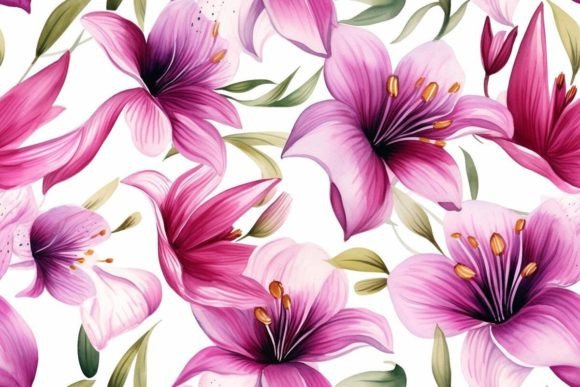
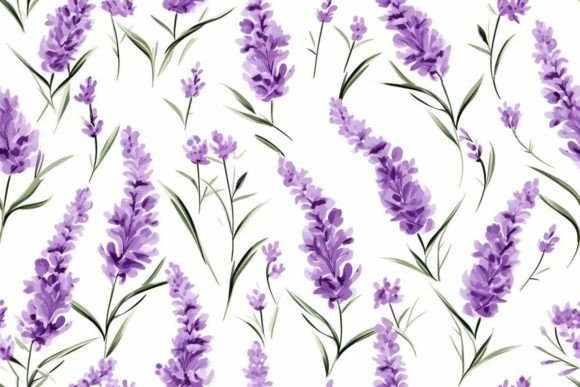
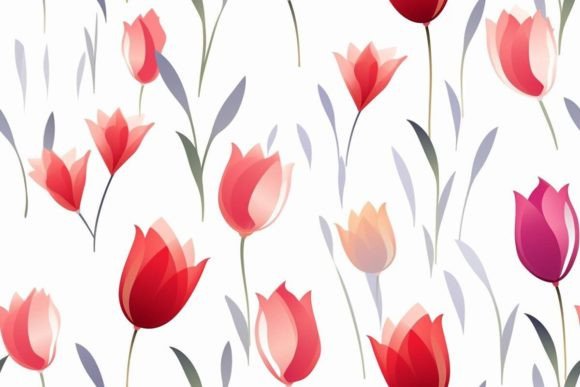
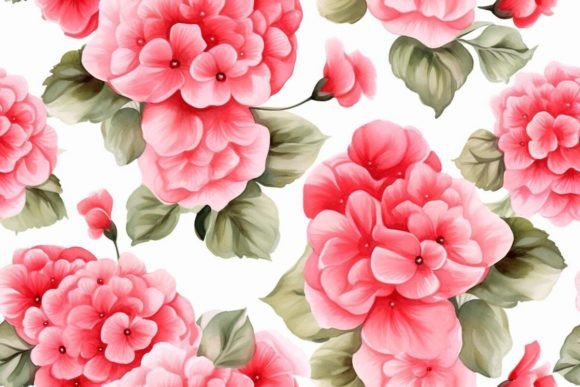
Nature-inspired art is characterized by its use of organic shapes, textures, and colors that mimic elements from the natural world. These can include leaf veins, wave patterns, animal silhouettes, or even abstract interpretations of natural processes like erosion or growth. Nature patterns, on the other hand, are more structured, often repeating motifs such as floral arrangements, geometric representations of tree branches, or stylized depictions of water ripples.
What makes this style distinct is its emphasis on harmony and balance, which are fundamental aspects of natural ecosystems. Unlike more rigid or artificial designs, nature-inspired patterns tend to feel fluid and dynamic, creating a sense of movement and life. This quality makes them particularly appealing for applications where a calming or organic atmosphere is desired, such as in wellness spaces, eco-friendly products, or educational materials.
Comparing Nature-Inspired Patterns with Other Design Styles
When considering nature-inspired art and patterns, it's important to compare them with other popular design styles to understand their strengths and tradeoffs. For instance, minimalist design focuses on simplicity and negative space, which can sometimes conflict with the intricate details of nature-inspired patterns. However, minimalist elements can be integrated with nature themes to create a balanced look that feels both serene and visually engaging.
Similarly, abstract art often uses bold colors and non-representational forms, whereas nature-inspired patterns typically aim to represent recognizable elements from the natural world. This distinction means that nature patterns may appeal more to those who prefer subtle, symbolic representations over purely abstract visuals.
In terms of versatility, nature-inspired patterns can be adapted across various mediums, including print, digital, and three-dimensional formats. They also offer a wide range of customization options, allowing designers to modify colors, scale, and complexity based on the intended use. In contrast, some other design styles may be more limited in their adaptability or require specialized tools or techniques.
Strengths of Nature-Inspired Art and Patterns
The primary strength of nature-inspired art lies in its ability to evoke emotional responses and create a connection with the viewer. The imagery of forests, oceans, and animals has been shown to reduce stress and enhance well-being, making this style particularly effective in environments focused on relaxation and mindfulness.
Another advantage is the broad applicability of nature patterns. They can be used in a variety of contexts, from home décor and fashion to branding and packaging. Their universal appeal allows them to resonate with diverse audiences, making them a valuable asset for businesses aiming to communicate eco-conscious values or promote sustainability.
Additionally, the growing interest in environmental awareness has increased the demand for nature-themed designs. As consumers become more conscious of their impact on the planet, incorporating nature-inspired elements into products and services can align with broader sustainability goals and attract environmentally minded customers.
Potential Limitations and Considerations
While nature-inspired art and patterns offer many benefits, they also come with certain limitations. One potential challenge is ensuring that the design remains original and does not unintentionally copy specific natural species or ecosystems. This requires careful research and creativity to avoid legal issues related to copyright or trademark infringement.
Another consideration is the complexity involved in designing realistic nature patterns. Achieving high-quality results often demands advanced skills in illustration, graphic design, or digital art. For those without professional training, using pre-made templates or collaborating with experts may be necessary to achieve the desired outcome.
Furthermore, while nature-inspired designs can be highly versatile, they may not be suitable for every application. In settings that require a more modern or industrial aesthetic, overly detailed or organic patterns might clash with the overall design language. It's essential to evaluate how well these patterns integrate with the existing visual identity of a project before committing to them.
When to Choose Nature-Inspired Art and Patterns
Nature-inspired art and patterns are an excellent choice when the goal is to create a sense of tranquility, connection with nature, or to emphasize eco-friendliness. They are particularly effective in spaces designed for relaxation, such as spas, meditation rooms, or wellness centers. They also work well in branding for companies that prioritize sustainability, such as eco-friendly product lines or conservation organizations.
However, if the project requires a more contemporary or technological feel, alternative design styles may be more appropriate. Similarly, for projects that demand precision or minimalism, nature-inspired patterns might not be the best fit. It's crucial to weigh the intended purpose of the design against the characteristics of nature-inspired art to determine whether it aligns with the overall vision.
Practical Applications and Examples
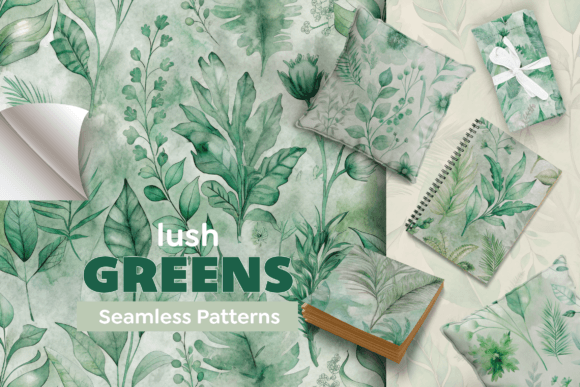
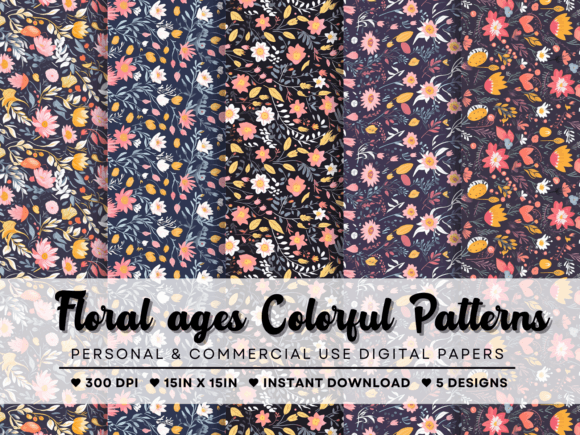
Nature-inspired patterns can be seen in a wide range of practical applications. For example, textile manufacturers often incorporate floral or leaf motifs into fabrics to create a soft, natural aesthetic. Interior designers use wall murals featuring mountain landscapes or ocean waves to bring a sense of calm to living spaces. Digital artists apply nature-inspired brush strokes and color palettes to create visually striking backgrounds for websites or mobile apps.
One notable example is the use of fractal patterns in architecture, which mimic the self-repeating structures found in natural forms like trees or coastlines. Another example is the integration of biomimicry in product design, where natural shapes and functions inspire innovations in engineering and technology.
These examples illustrate how nature-inspired art and patterns can be adapted to different industries and purposes, offering both functional and aesthetic value. By carefully selecting and applying these elements, designers can create visually compelling works that resonate with viewers on multiple levels.
Conclusion
Nature-inspired art and nature patterns offer a rich source of inspiration for creative professionals and enthusiasts alike. Their ability to evoke emotion, promote well-being, and support sustainable practices makes them a valuable addition to any design portfolio. However, it's important to consider their strengths, limitations, and suitability for different applications before deciding to use them. By understanding the nuances of this style, designers can make informed choices that align with their goals and the needs of their audience.