Illustration Repeating Patterns: A Creative Tool for Designers and Creators
In the world of visual design, patterns play a crucial role in enhancing aesthetics and functionality. One such powerful technique is the use of Illustration Repeating Patterns. These are not just decorative elements; they serve as versatile tools that can be applied across various industries—from graphic design to fashion and even architecture. This article explores the characteristics, advantages, and practical applications of illustration repeating patterns, offering insights into how they can elevate creative projects.
The Concept of Illustration Repeating Patterns
Illustration repeating patterns refer to designs composed of repeated illustrations or motifs that form a cohesive visual theme. Unlike traditional geometric patterns, these often feature intricate, hand-drawn elements that add depth and personality to any surface or medium. The repetition creates rhythm and harmony, making them ideal for backgrounds, textiles, packaging, and more.
These patterns are typically created using digital illustration software, where artists can manipulate shapes, colors, and textures to produce seamless repetitions. The key lies in ensuring that the pattern aligns perfectly when tiled, avoiding visible seams or disruptions in the design.
Characteristics of Effective Illustration Repeating Patterns
- Visual Cohesion: Each element in the pattern should complement the others, creating a unified look.
- Scalability: A good pattern should maintain its integrity at different sizes, whether used on a small product label or a large mural.
- Flexibility: The ability to adapt the pattern to various contexts—print, web, or physical products—is essential.
- Cultural Relevance: Incorporating culturally significant motifs can enhance the emotional connection between the design and its audience.
Advantages of Using Illustration Repeating Patterns
The benefits of incorporating illustration repeating patterns into design projects are numerous. They offer a unique way to express creativity while maintaining consistency and professionalism. Let’s explore some of the key advantages:
Enhanced Visual Appeal: Repeating patterns add interest and complexity to otherwise plain surfaces. Whether it's a website background or fabric print, these patterns can transform the visual experience, making it more engaging and memorable.
Time Efficiency: Once a pattern is created, it can be reused across multiple projects without the need for constant redesigning. This efficiency is especially valuable for businesses that require consistent branding across various platforms.
Customization Potential: Artists and designers can tailor their patterns to suit specific needs, from subtle accents to bold statements. This level of customization allows for personal expression and brand identity development.
Real-World Applications
Illustration repeating patterns find application in diverse fields. For instance, in fashion design, they can be used to create unique textile prints that stand out in a competitive market. In interior design, these patterns can be employed to decorate walls, cushions, and curtains, adding character to living spaces.
Additionally, in the realm of digital design, these patterns are often used as background elements on websites and mobile apps. Their ability to provide visual continuity helps guide user attention and improve overall usability.
Considerations When Creating Illustration Repeating Patterns
While the benefits are clear, there are several factors to consider when designing illustration repeating patterns. Understanding these can help ensure that your final product meets both aesthetic and functional requirements.
Pattern Alignment: Ensuring that the pattern tiles seamlessly is critical. Misalignment can lead to visual clutter and detract from the overall design quality. Using grid systems or alignment tools in design software can help achieve this precision.
Color Harmony: Choosing the right color palette is essential. Colors should complement each other and fit the intended context. Tools like Adobe Color can assist in selecting harmonious color combinations.
Detail Level: The intricacy of the illustration affects how well the pattern will perform at different scales. Too much detail may become overwhelming when viewed up close, while too little might appear flat or uninteresting.
Tools and Resources for Designing Illustration Repeating Patterns
Designing illustration repeating patterns requires the right tools and resources. Popular software options include Adobe Illustrator, Procreate, and Affinity Designer. These programs offer features specifically tailored for creating vector-based patterns that can be easily adjusted and scaled.
Online resources such as Patternity and Spoon Graphics provide inspiration and templates for those new to pattern design. Additionally, communities on platforms like Behance and Dribbble allow designers to share their work and gain feedback from peers.
Trends in Illustration Repeating Patterns
The design landscape is constantly evolving, and so are the trends in illustration repeating patterns. Current trends emphasize minimalism, organic shapes, and nature-inspired motifs. Many designers are moving away from overly complex patterns towards simpler, more elegant designs that convey a sense of calm and sophistication.
There's also a growing interest in sustainable design practices, which has led to an increase in the use of eco-friendly materials and themes in pattern design. This trend reflects a broader societal shift towards environmental consciousness and responsible consumption.
Case Studies and Examples
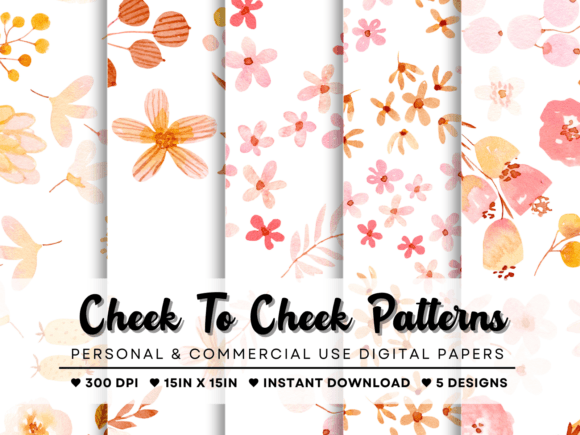
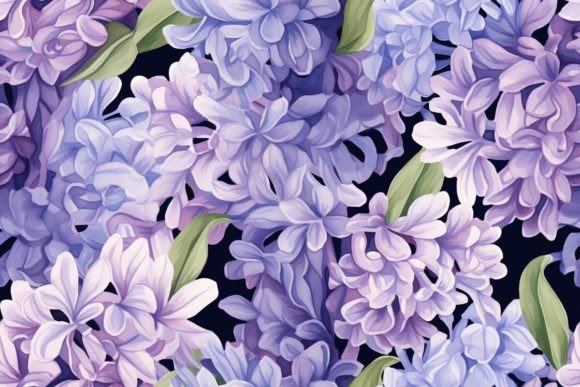
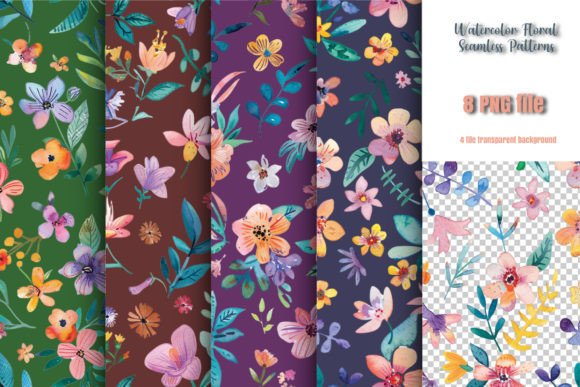
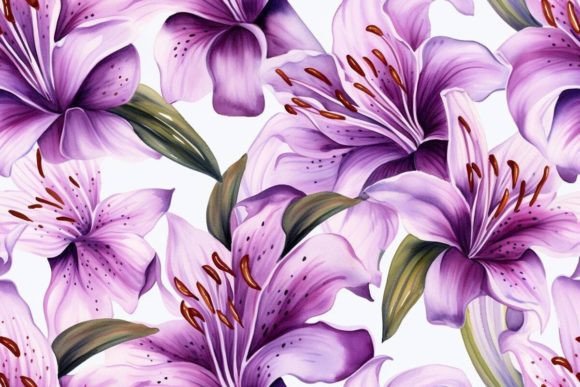
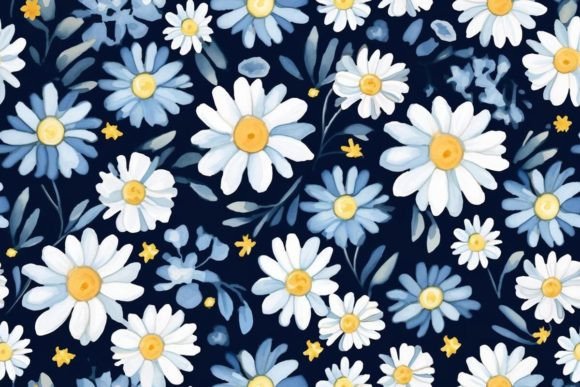
Let’s take a look at a few examples of successful illustration repeating patterns in action. A popular case is the use of floral motifs in home decor, where these patterns have been adapted to fit modern aesthetics while retaining their classic charm. Another example is the integration of abstract shapes in digital interfaces, which enhances user engagement without overwhelming the viewer.
These examples highlight how illustration repeating patterns can be tailored to meet specific needs and preferences, demonstrating their versatility and relevance in today's design world.
Conclusion
Illustration repeating patterns are a powerful tool in the designer's arsenal, offering endless possibilities for creativity and expression. By understanding their characteristics, advantages, and considerations, designers can harness their potential to create visually compelling and functionally effective designs. As trends continue to evolve, the importance of these patterns in shaping our visual environment will only grow, making them an essential aspect of contemporary design practice.