Fashion Design Blooming Patterns: A Guide to Understanding and Choosing the Right Style
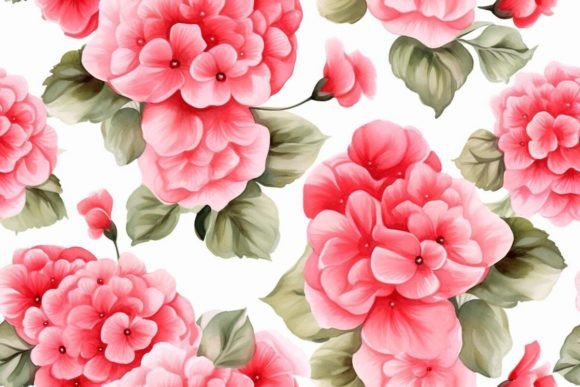
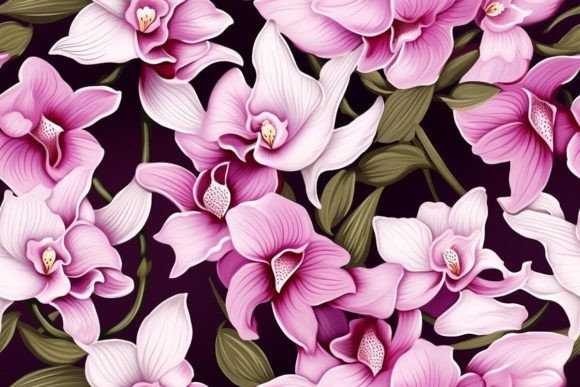
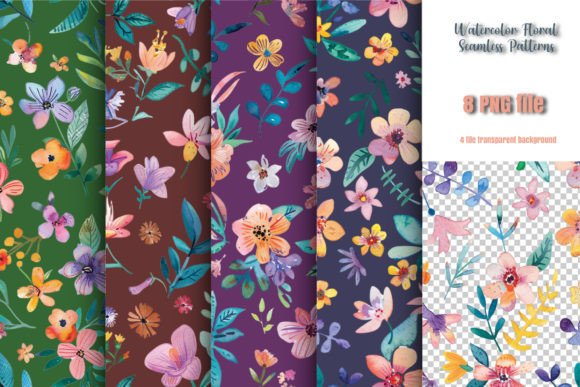
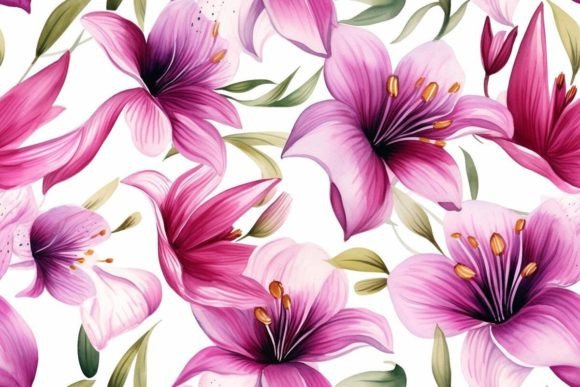
Fashion Design Blooming Patterns refer to a collection of floral and nature-inspired motifs that are commonly used in textile design. These patterns often feature intricate details, vibrant colors, and organic shapes that mimic the natural world. While the term may seem broad, it encompasses a wide range of styles, from delicate pastel blossoms to bold, stylized flowers. Understanding these patterns can help both designers and consumers make informed choices when selecting or creating fashion pieces.
For those interested in fashion design, blooming patterns offer a versatile option for adding visual interest to clothing and accessories. They can be found on everything from dresses and skirts to handbags and scarves. However, not all situations call for these designs, and there are several factors to consider before committing to them.
Why Consider Fashion Design Blooming Patterns?
Blooming patterns have a timeless appeal that makes them a popular choice across various fashion trends. They can evoke feelings of freshness, elegance, and femininity, which is why they are frequently seen in spring and summer collections. Additionally, these patterns can be adapted to suit different aesthetics, whether it's a classic look or something more modern and edgy.
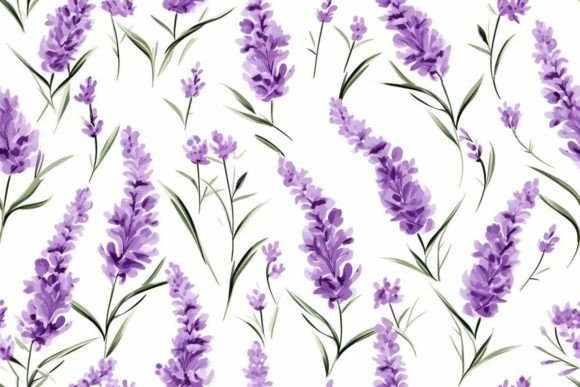
Another reason to consider blooming patterns is their versatility. They can be printed using a variety of techniques, including digital printing, screen printing, and embroidery. This allows for customization and the ability to match specific color palettes or themes. For instance, a soft lavender and white pattern might be ideal for a romantic wedding dress, while a more vibrant red and gold design could work well for a festive evening gown.
Benefits and Tradeoffs of Using Blooming Patterns
The primary benefit of using blooming patterns is their ability to add visual interest and personality to a garment. They can transform a simple piece of clothing into something eye-catching and unique. Furthermore, they allow for creative expression and can reflect personal style or brand identity.
However, there are also tradeoffs to consider. Blooming patterns can be overwhelming if not used appropriately. A busy pattern on a small garment may make it appear cluttered rather than elegant. It's important to balance the scale and density of the pattern with the overall design of the piece.
Additionally, certain blooming patterns may not be suitable for all occasions. A highly detailed floral print might be too much for a professional setting, whereas a minimalist version could work well in a business casual environment. It's essential to think about the context in which the garment will be worn.
Situations Where Blooming Patterns Are a Strong Fit
Blooming patterns are particularly well-suited for seasonal fashion, especially during spring and summer months. Their light and airy feel complements the warmer weather and can create a sense of movement and flow in the fabric.
They are also an excellent choice for special occasions such as weddings, parties, and festivals. The symbolism associated with flowers—such as love, celebration, and renewal—makes them a meaningful addition to event wear. Moreover, they are often used in bridal fashion, where they convey beauty and grace.
For those who enjoy experimenting with bold and expressive styles, blooming patterns can serve as a powerful tool. They allow for self-expression through fashion and can be paired with contrasting colors or textures to create striking combinations.
When Alternatives Might Be Worth Considering
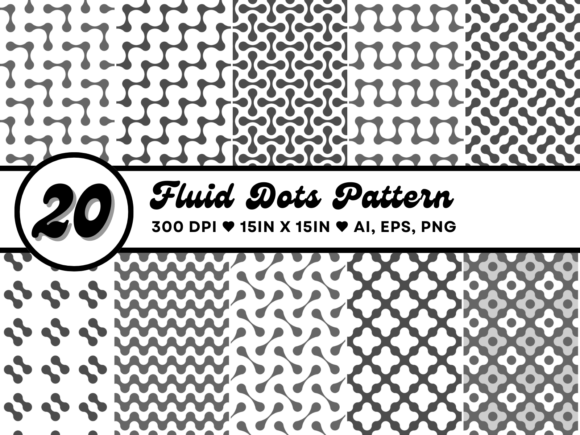
While blooming patterns have many advantages, there are times when alternative designs may be more appropriate. For example, if you're looking for a more understated look, geometric or abstract patterns could be a better fit. These options provide visual interest without the complexity of floral designs.
In professional or formal settings, solid colors or subtle prints may be preferred over elaborate blooming patterns. In such cases, opting for a minimalist design can help maintain a polished and sophisticated appearance.
If you're seeking a more contemporary or avant-garde aesthetic, you might explore experimental or artistic patterns that break away from traditional designs. These can include abstract shapes, asymmetrical lines, or even mixed media elements.
Practical Insights for Choosing Blooming Patterns
When selecting blooming patterns, consider the purpose of the garment and the intended audience. For instance, a children's dress might benefit from bright, playful flowers, while a mature woman's blouse could feature more subdued and refined blooms.
It's also important to pay attention to fabric choice. Some patterns work better on certain materials. For example, lightweight fabrics like cotton or linen are ideal for delicate floral prints, while heavier fabrics like velvet or satin can handle bolder and more intricate designs.
Lastly, don't be afraid to experiment. Mixing and matching different blooming patterns can lead to exciting and innovative results. Whether you're designing your own clothing or shopping for ready-made items, taking the time to evaluate your options will help you find the perfect fit for your style and needs.