Vintage Maritime Patterns: A Comprehensive Design Evaluation
In the realm of graphic design and textile arts, Vintage Maritime Patterns represent a distinct aesthetic category that blends historical nautical elements with classic artistic styles. This collection typically features motifs such as anchors, compasses, ships, and detailed maps, rendered in a way that evokes the spirit of exploration and coastal romance. For designers, crafters, and content creators, understanding the specific characteristics and applications of these patterns is essential for making informed creative decisions.
The concept extends beyond simple imagery; it encompasses a specific mood and atmosphere. When evaluating Vintage Maritime Patterns, one must consider how the intricate details of high-resolution visuals translate into various mediums. Whether used for digital art, home decor, or fashion textiles, these designs offer a nostalgic ambiance that can transform a standard project into something with a sense of history and adventure.
Core Characteristics and Visual Elements
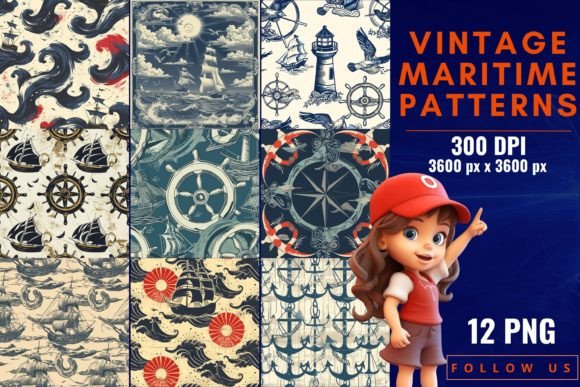
To determine if this style aligns with your project goals, it is helpful to analyze the fundamental components that define Vintage Maritime Patterns. These designs are not merely random collections of sea-related icons but are curated to create a cohesive narrative. The primary visual drivers include:
- Navigational Instruments: Compasses and sextants serve as focal points, symbolizing direction and discovery.
- Maritime Vessels: Depictions of sailing ships and boats often feature weathered textures to enhance the vintage feel.
- Cartographic Details: Nautical maps and charts provide complex backgrounds that add depth and intellectual interest to the design.
- Symbolic Motifs: Anchors and ropes are frequently used to anchor the theme visually and thematically.
The resolution of these files is a critical factor. High-quality Vintage Maritime Patterns are designed to capture intricate details without pixelation, ensuring they remain sharp when scaled for large-format printing or digital displays. This attention to detail is what separates premium collections from generic clip art, allowing for seamless integration into professional workflows.
Practical Applications and Use Cases
One of the primary reasons individuals seek out Vintage Maritime Patterns is their versatility across different industries. The aesthetic is broad enough to be applied to diverse projects while maintaining a specific identity. Below are key areas where these patterns prove particularly effective:
- Textile and Fashion Design: The durability and timelessness of maritime themes make them ideal for beachwear, summer collections, and accessories. The patterns can convey a relaxed, adventurous vibe that resonates with consumers seeking coastal aesthetics.
- Home Decor and Interior Design: From wallpaper and upholstery to throw pillows and curtains, these patterns can infuse a space with a sense of seafaring elegance. They work well in both traditional settings and modern spaces looking for a rustic touch.
- Digital Media and Branding: For businesses related to travel, logistics, or outdoor recreation, using Vintage Maritime Patterns in logos, website backgrounds, or social media graphics can establish a brand identity rooted in tradition and reliability.
- Craft and Event Planning: Themed invitations, scrapbooking, and party decorations benefit significantly from the romantic and exploratory nature of these designs.
Evaluating Benefits and Tradeoffs
While the appeal of Vintage Maritime Patterns is strong, a balanced evaluation requires an understanding of both the advantages and potential limitations. Making the right choice depends on weighing these factors against your specific requirements.
Benefits:
- Nostalgic Resonance: The style taps into a collective appreciation for history and exploration, creating an emotional connection with the audience.
- High-Resolution Quality: Premium collections ensure that intricate lines and textures are preserved, which is vital for professional output.
- Thematic Consistency: With a curated set of 12 designs, users can maintain a consistent visual language across multiple assets without needing to source disparate images.
Tradeoffs and Considerations:
- Saturation Risks: Because the maritime theme is popular, there is a risk of the design feeling cliché if not executed with care. Overusing specific icons like anchors or ships can lead to a lack of originality.
- Color Palette Limitations: Vintage styles often rely on muted tones, sepia, navy, and cream. If a project requires vibrant, neon, or ultra-modern colors, this aesthetic may clash with the desired outcome.
- Complexity Management: The intricate nature of these patterns can sometimes compete with text or other foreground elements, requiring careful layout planning to ensure readability.
Situational Fit and Alternatives
Determining whether Vintage Maritime Patterns is the right choice involves assessing the context of your project. This style is a strong fit for projects aiming to evoke nostalgia, emphasize heritage, or create a relaxed, vacation-oriented atmosphere. It is particularly effective for brands that want to communicate stability, journey, and craftsmanship.
However, there are situations where alternatives may be worth considering. If the goal is to convey cutting-edge technology, minimalism, or corporate sterility, a clean geometric pattern or a flat design style would likely be more appropriate. Similarly, for projects targeting a futuristic or sci-fi audience, the historical weight of maritime imagery might feel out of place.
When comparing options, designers should also consider the level of customization required. While pre-made collections like Vintage Maritime Patterns offer convenience and speed, they may lack the unique specificity needed for highly bespoke branding. In such cases, commissioning custom vector illustrations or utilizing abstract interpretations of nautical themes might yield better results.
Decision-Making Insights for Designers
To effectively integrate Vintage Maritime Patterns into a workflow, several practical steps should be taken. First, assess the target audience. Does the demographic appreciate retro aesthetics, or do they prefer contemporary trends? Understanding this preference is crucial before committing to a design direction.
Secondly, evaluate the technical specifications. Ensure that the selected patterns are available in high resolutions suitable for the intended output size. Low-quality raster images will degrade quickly when enlarged, undermining the professional quality of the final product. Look for collections that explicitly state high-resolution capabilities and offer vector formats when possible.
Finally, consider the longevity of the design. Vintage styles tend to have a longer shelf life than fleeting trends. A project utilizing Vintage Maritime Patterns is less likely to look dated in a few years compared to one relying on hyper-specific modern fads. This makes it a prudent choice for long-term branding initiatives or products intended for enduring use.
In conclusion, Vintage Maritime Patterns offer a rich resource for creatives seeking to blend history with functionality. By carefully weighing the benefits of their nostalgic charm against the tradeoffs of thematic saturation, designers can make informed decisions that elevate their projects. Whether used for textiles, digital media, or home decor, these patterns provide a versatile foundation for creating works that resonate with a sense of adventure and timeless elegance.