Tribal Wood Mini Patterns: A Versatile Design Resource for Modern Creatives
Exploring the Essence of Tribal Wood Mini Patterns
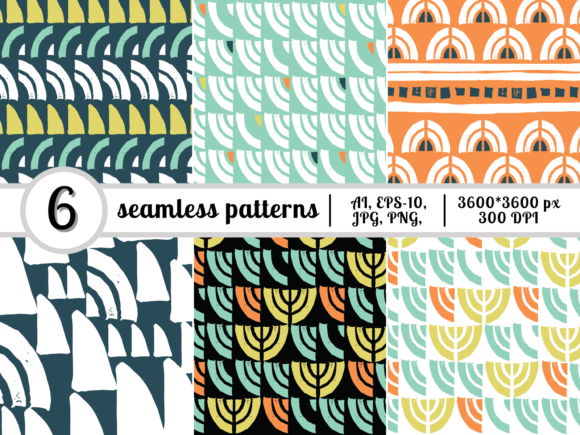
The Tribal Wood Mini Patterns collection is a rich source of inspiration for designers, artists, and creators looking to infuse traditional aesthetics into contemporary projects. This set draws from the intricate world of block-printed textiles, offering a unique blend of cultural heritage and modern design flexibility. The patterns are carefully crafted to reflect the artistry of tribal wood carvings while maintaining a clean, scalable format that works across various media.
At its core, the Tribal Wood Mini Patterns package includes six seamless patterns, each available in both color and black-and-white variations. These patterns come in multiple file formats—EPS, JPEG, and PNG—ensuring compatibility with a wide range of design software and printing processes. Whether you're creating business cards, product packaging, or digital illustrations, this collection provides the tools needed to bring your vision to life with ease.
Understanding the Components of the Collection
To fully appreciate the versatility of Tribal Wood Mini Patterns, it's essential to understand what each component offers. The package includes:
- 6 Seamless Patterns: These are the primary design elements of the collection. Each pattern is designed to repeat seamlessly, making them ideal for backgrounds, textures, and decorative elements.
- 6 Color Pattern EPS Files: Vector files that allow for high-quality scaling without loss of detail. These are compatible with Adobe Illustrator CS4 and later versions, ensuring that designers can work with precision.
- 6 Color Pattern JPEG Files: High-resolution raster images at 300dpi, suitable for print and web use. These files maintain clarity even when scaled down for smaller applications like logos or icons.
- 1 Bonus Color Pattern EPS/JPEG File: An additional resource that adds extra value to the collection. This bonus pattern can be used as a standalone element or combined with others for more complex designs.
- Front Image Pattern with Black Background: A visual example of how one of the patterns appears on a black background, providing context for potential applications.
- 6 Black and White EPS Files: Monochrome vector files that offer the same level of scalability and detail as their color counterparts. These are useful for minimalist designs or when working with limited color palettes.
- 6 Black and White JPEG Files: Raster images of the monochrome patterns, also at 300dpi. These are perfect for print projects where grayscale is preferred.
- 6 Black and White PNG Files: Transparent background versions of the black-and-white patterns, allowing for easy integration into digital compositions without worrying about background interference.
This comprehensive set ensures that users have access to all the necessary tools to experiment with different design scenarios, whether they're working digitally or preparing for print.
Applications Across Industries
The Tribal Wood Mini Patterns are not limited to a single industry or application. Their adaptability makes them valuable to a wide range of professionals, including graphic designers, product developers, educators, and hobbyists. Here are some of the key areas where these patterns can be effectively utilized:
Graphic Design and Branding
Designers often seek ways to incorporate unique textures and motifs into branding materials. The Tribal Wood Mini Patterns provide an excellent way to add depth and character to logos, brochures, and packaging. For instance, using a black-and-white pattern as a subtle texture in a logo can enhance its visual appeal without overpowering the design.
These patterns are also useful in creating cohesive brand identities. By applying the same pattern across different touchpoints—such as business cards, social media graphics, and website headers—designers can establish a unified aesthetic that reflects the brand’s personality.
Product Packaging and Merchandise
For product packaging, the Tribal Wood Mini Patterns offer a way to differentiate products in a crowded market. The intricate details of the patterns can be printed on boxes, labels, and tags to create a sense of craftsmanship and authenticity. When paired with earthy tones, these patterns can evoke a natural, handmade feel that resonates with eco-conscious consumers.
Merchandise such as T-shirts, mugs, and notebooks can also benefit from these patterns. By incorporating the designs into fabric prints or embossing techniques, manufacturers can produce items that stand out visually and convey a story through their design elements.
Digital Content Creation
In the realm of digital content creation, the Tribal Wood Mini Patterns serve as versatile assets for websites, apps, and multimedia projects. The transparent PNG files, in particular, are ideal for overlaying on web pages or embedding within app interfaces. They can be used to create background textures, decorative borders, or interactive elements that respond to user input.
For educational platforms and online courses, these patterns can be integrated into presentations, infographics, and downloadable resources to enhance visual engagement. Their traditional roots make them particularly effective in teaching modules related to cultural design, textile history, and sustainable practices.
Educational and Research Purposes
Researchers and educators working in fields such as anthropology, design theory, and cultural studies may find the Tribal Wood Mini Patterns to be a valuable resource. The patterns can be used as case studies to explore the evolution of traditional crafts, the influence of indigenous art on modern design, and the role of pattern-making in cross-cultural communication.
Students learning about graphic design, illustration, or textile arts can use these patterns as part of their coursework. By analyzing the structure, repetition, and symbolism of the patterns, learners can gain a deeper understanding of how design principles apply across different mediums and contexts.
Considerations for Effective Use
While the Tribal Wood Mini Patterns offer a wealth of creative possibilities, there are several considerations to keep in mind to ensure they are used effectively:
File Compatibility: Although the EPS files are compatible with Adobe Illustrator CS4 and later versions, users should verify that their design software supports these formats before downloading. If working with older versions of software, the JPEG and PNG files may be more practical for immediate use.
Color Usage: While the color versions of the patterns are visually striking, they may not always be suitable for every project. It's important to consider the context in which the pattern will be used and whether the colors align with the intended message or brand identity.
Resolution and Scaling: The JPEG and PNG files are provided at 300dpi, which is optimal for print. However, if these files are used for digital displays, it's worth noting that higher resolution isn't always necessary unless the content is being viewed up close. The EPS files, on the other hand, are vector-based and can be scaled infinitely without losing quality.
License and Usage Rights: Users should review the licensing terms associated with the Tribal Wood Mini Patterns to ensure that their intended use falls within the permitted scope. This is especially important for commercial projects, where proper attribution or restrictions may apply.
Cultural Sensitivity: As these patterns are inspired by traditional block-printed textiles, it's important to approach their use with respect and awareness of their cultural origins. Incorporating these designs into projects should be done thoughtfully, avoiding any misrepresentation or appropriation of the cultures they represent.
By keeping these considerations in mind, users can maximize the potential of the Tribal Wood Mini Patterns while respecting the integrity of the designs and the communities they originate from.
Conclusion
The Tribal Wood Mini Patterns collection is a testament to the enduring beauty of traditional craftsmanship and its relevance in today's creative landscape. With its diverse range of formats, colors, and applications, this resource empowers designers, educators, and creators to explore new possibilities in their work. Whether used for branding, product development, digital content, or educational purposes, these patterns offer a unique opportunity to blend heritage with innovation in meaningful ways.