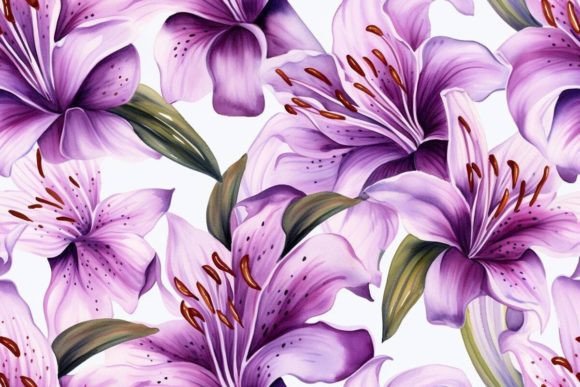
Textile Design Lily Patterns: A Versatile Element in Creative and Commercial Workflows
Textile design is a field that blends artistry with practicality, and within this domain, lily patterns stand out for their elegance and versatility. Textile Design Lily Patterns offer a unique aesthetic that can be integrated into various stages of creative and commercial workflows. Whether you're an entrepreneur launching a new product line, a designer working on a collection, or a hobbyist exploring textile art, understanding how to use these patterns effectively can enhance your outcomes.
Understanding Textile Design Lily Patterns
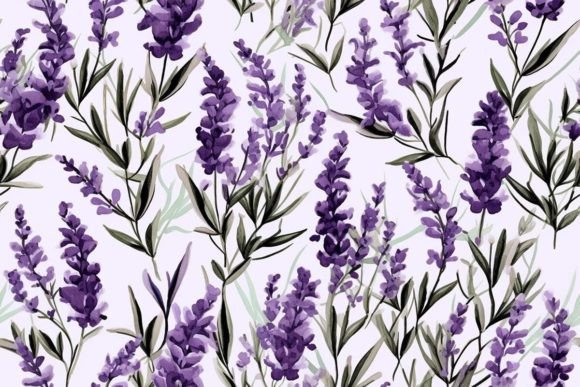
Textile Design Lily Patterns refer to the visual motifs inspired by lilies, often used in fabric designs such as quilts, clothing, home décor, and more. These patterns are characterized by their delicate, flowing lines and symmetrical forms. They are typically created using digital tools or traditional methods like hand-dyeing, screen printing, or embroidery.
The appeal of lily patterns lies in their ability to convey both natural beauty and sophistication. Their adaptability makes them suitable for a wide range of applications, from high-end fashion to everyday home goods. Understanding the characteristics of these patterns helps in selecting the right ones for specific projects.
Integrating Lily Patterns into Your Workflow
Whether you're at the planning stage, executing a project, or reviewing final outputs, Textile Design Lily Patterns can play a crucial role. Here's how they fit into different phases:
Before Starting a Project
During the initial planning phase, choosing the right pattern is essential. Consider the purpose of the textile—will it be used for clothing, upholstery, or decorative purposes? Lily patterns can add a touch of elegance, but their complexity should match the intended use. For example, intricate lily motifs may be better suited for luxury items, while simpler versions work well for mass-produced goods.
Additionally, consider color schemes. Lily patterns often feature soft pastels or bold florals, depending on the design intent. Matching the pattern with the overall color palette of your project ensures cohesion and enhances visual appeal.
During the Execution Phase
Once the design concept is set, the next step is implementation. When working with Textile Design Lily Patterns, compatibility with other design elements is key. If you're using digital tools, ensure that the resolution and file format of the pattern are suitable for the printing or embroidery process you plan to use.
For instance, if you're creating a quilt, the lily pattern needs to be scalable without losing detail. Similarly, if you're designing fabric for clothing, the pattern must be repeatable and align well with the garment's structure. Testing the pattern on a small sample before full production can help identify any potential issues early on.
Collaboration with other professionals, such as printers or manufacturers, is also important during this phase. Sharing your design files and discussing technical requirements ensures that the final product meets your expectations.
After Project Completion
Even after the project is completed, Textile Design Lily Patterns can be valuable. They can serve as inspiration for future projects or be repurposed in different ways. For example, leftover fabric with lily patterns can be transformed into smaller items like coasters, pouches, or wall art.
Moreover, feedback from customers or clients can provide insights into how the patterns were received. This information can guide future design choices and help refine your approach to using lily motifs in new projects.
Practical Implementation Tips
Here are some practical tips to help you integrate Textile Design Lily Patterns into your workflow smoothly:
- Start with a clear vision: Define the purpose and audience of your textile design. This will influence the choice of pattern, color, and texture.
- Test before committing: Always create a sample piece before moving forward with large-scale production. This allows you to assess how the pattern looks and feels in real life.
- Use compatible tools: Ensure that the software and equipment you use support the resolution and format of the lily patterns. This includes graphic design tools, sewing machines, and printing devices.
- Consider scalability: Choose patterns that can be easily scaled up or down without compromising quality. This is especially important for products that require multiple sizes or variations.
- Stay organized: Keep your design files, samples, and notes well-organized. This makes it easier to reference previous work and streamline future projects.
Factors to Consider for Long-Term Use
When incorporating Textile Design Lily Patterns into your workflow, several factors contribute to long-term success. One of the most important is consistency. Maintaining a consistent style and quality across all your designs helps build brand recognition and customer trust.
Another factor is usability. The patterns should be easy to apply and maintain, whether through digital means or physical techniques. This is particularly relevant for businesses that rely on quick turnaround times and efficient production processes.
Quality control is also essential. Regularly reviewing your work and seeking feedback ensures that your textile designs meet the highest standards. Investing in high-quality materials and tools can further enhance the durability and appearance of your finished products.
Finally, staying updated with industry trends and innovations can help you stay competitive. New technologies, such as AI-assisted design tools or eco-friendly materials, can open up new possibilities for using lily patterns in creative and sustainable ways.
Conclusion
Textile Design Lily Patterns are more than just decorative elements—they are functional components that can elevate the aesthetics and value of various textile products. By integrating them thoughtfully into your workflow, you can achieve professional results that resonate with your target audience.
Whether you're a professional designer, an entrepreneur, or a hobbyist, understanding how to use these patterns effectively can make a significant difference in your creative and commercial endeavors. With the right approach, Textile Design Lily Patterns can become a valuable asset in your toolkit, helping you produce beautiful, meaningful, and marketable textiles.