Mediterranean Watercolor Patterns: Strategic Design Elements for Creative and Professional Use
The Mediterranean region has long been a source of inspiration for artists, designers, and creators around the world. Its vibrant colors, rich cultural heritage, and natural beauty have given rise to a unique aesthetic that continues to influence modern design. One such expression of this influence is Mediterranean Watercolor Patterns, which blend the organic flow of watercolor with the timeless appeal of Mediterranean motifs. Whether you're an entrepreneur looking to enhance your brand visuals or a designer seeking to add depth to your projects, these patterns offer a versatile and meaningful tool.
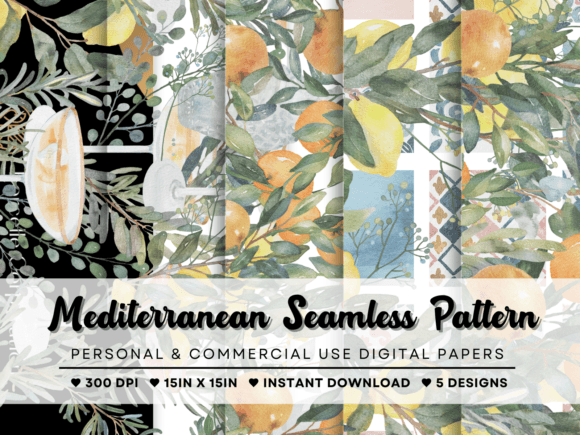
My collection includes 5 high-resolution Mediterranean Watercolor Patterns featuring lemons, oranges, cocktails, and tiles. Each pattern is meticulously crafted in PNG and PAT formats at 300 DPI, ensuring crisp detail and adaptability across various platforms. These designs are not just visually appealing—they are strategically valuable when used with intention.
Understanding the Value of Mediterranean Watercolor Patterns
Mediterranean Watercolor Patterns are more than decorative elements; they carry cultural significance and visual storytelling power. The use of soft, flowing strokes and warm color palettes evokes a sense of relaxation, authenticity, and connection to nature—qualities that can resonate deeply with audiences.
For professionals and creatives, integrating these patterns into branding, marketing materials, or digital content can help establish a distinct identity rooted in tradition yet adaptable to contemporary needs. Their versatility makes them suitable for print and digital media alike, from packaging and logos to websites and social media graphics.
Strategic Applications in Branding and Marketing
When considering how to use Mediterranean Watercolor Patterns in branding, it's essential to align their aesthetic with your brand's values and audience. If your brand emphasizes quality, authenticity, or a connection to nature, these patterns can serve as subtle but powerful visual cues.
- Product Packaging: Incorporating these patterns into product designs can create a sense of exclusivity and craftsmanship, especially for food, beverage, or lifestyle brands.
- Website Design: Using them as background elements or accents on landing pages can evoke a welcoming and inviting atmosphere, improving user experience and engagement.
- Social Media Content: They can be used to create cohesive visual themes across posts, stories, and ads, reinforcing brand recognition and emotional connection with followers.
However, it's crucial to consider the context in which these patterns are applied. Overuse or mismatched applications can dilute their impact and confuse your audience. Thoughtful placement and balance are key to leveraging their strategic value effectively.
Planning Your Use of Mediterranean Watercolor Patterns
Before incorporating Mediterranean Watercolor Patterns into any project, take time to define your goals and desired outcomes. Are you aiming to increase brand awareness, improve customer engagement, or differentiate your offerings in a crowded market? Answering these questions will help guide your design choices and ensure alignment with broader business objectives.
Consider the following steps when planning your use of these patterns:
- Define Purpose: Clarify why you want to use these patterns. Is it for aesthetic appeal, cultural relevance, or functional design?
- Assess Audience: Understand who your target audience is and what resonates with them. Do they appreciate traditional aesthetics, or do they prefer a more modern look?
- Choose the Right Pattern: Review the available options—lemons, oranges, cocktails, and tiles—and select those that best match your brand's personality and message.
- Test and Refine: Experiment with different placements and combinations before finalizing your design. Gather feedback to ensure the patterns enhance rather than detract from your overall message.
This structured approach ensures that your use of Mediterranean Watercolor Patterns is intentional and effective, maximizing their potential to support your creative and professional goals.
Risks of Using Without Clear Strategy
While Mediterranean Watercolor Patterns are visually appealing, using them without a clear strategy can lead to several risks. For example, applying them indiscriminately across all marketing channels may result in a lack of cohesion, confusing your audience and weakening your brand identity.
Additionally, if the patterns are not aligned with your brand’s core values or audience preferences, they may come off as inauthentic or out of place. This can damage trust and reduce the effectiveness of your messaging.
To avoid these pitfalls, always evaluate how each design element contributes to your overall strategy. Ask yourself whether the inclusion of these patterns supports your brand’s voice, enhances the user experience, or communicates your intended message clearly.
Practical Examples and Decision-Making Guidance
Let’s explore some practical examples of how Mediterranean Watercolor Patterns can be used in real-world scenarios:
Example 1: Restaurant Branding
A Mediterranean-themed restaurant could use these patterns on menus, signage, and tableware to reinforce its cultural identity and create a cohesive dining experience. The use of citrus motifs like lemons and oranges would tie directly to the cuisine, enhancing the visual narrative.
Example 2: E-commerce Packaging
An online store selling handmade ceramics might incorporate tile patterns into its packaging design. This not only adds a touch of authenticity but also aligns with the product’s theme, creating a memorable unboxing experience for customers.
Example 3: Digital Marketing Campaigns
A travel blog focusing on Mediterranean destinations could use these patterns in blog headers, banners, and social media posts. The patterns would visually connect the content to the region, making the information more engaging and relatable.
These examples illustrate how thoughtful application of Mediterranean Watercolor Patterns can support multiple goals—from brand consistency to audience engagement.
As you make decisions about incorporating these patterns, keep in mind the importance of balance and context. Use them to enhance your message, not overshadow it. And always consider how they contribute to the larger picture of your brand or project.
Long-Term Value and Future-Proofing Your Designs
One of the advantages of using Mediterranean Watercolor Patterns is their timeless appeal. Unlike fleeting trends, these designs draw from a rich cultural heritage that remains relevant across generations. This makes them a valuable asset for long-term branding and marketing strategies.
Moreover, their adaptability allows for future updates and rebranding efforts. As your business evolves, you can continue to use these patterns in new ways while maintaining a consistent visual identity.
Incorporating Mediterranean Watercolor Patterns into your design toolkit offers more than just aesthetic benefits. It provides a strategic foundation for creating meaningful, authentic, and enduring visual experiences that align with both your brand and your audience’s expectations.