Flower Patterns Graphic Illustration: Strategic Use for Visual Impact and Branding
Flower patterns graphic illustration is a versatile design element that can significantly enhance visual communication, branding, and creative projects. Whether used in marketing materials, digital assets, or print media, these illustrations bring a sense of elegance, nature, and symbolism to any design. However, the strategic use of flower patterns requires thoughtful planning and alignment with specific goals. This article explores how Flower Patterns Graphic Illustration can be effectively integrated into various contexts, along with practical considerations and potential risks.
Understanding Flower Patterns Graphic Illustration
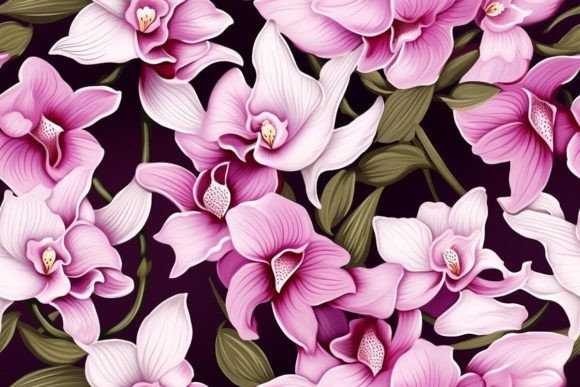
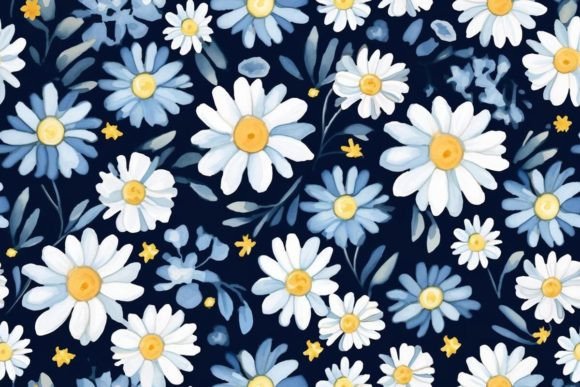
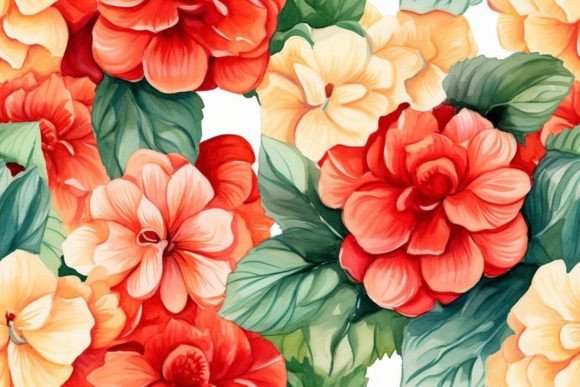
Flower patterns graphic illustration refers to the artistic depiction of floral motifs in digital or printed formats. These illustrations range from realistic botanical drawings to stylized, abstract representations. They are commonly used in graphic design for their ability to convey themes such as growth, beauty, harmony, and renewal. The versatility of flower patterns makes them suitable for a wide array of applications, including branding, packaging, web design, and educational materials.
The value of Flower Patterns Graphic Illustration lies not only in its aesthetic appeal but also in its symbolic meaning. Different flowers carry distinct connotations—roses symbolize love, lilies represent purity, and sunflowers evoke optimism. Understanding these meanings can help designers create visuals that resonate more deeply with the intended audience.
Strategic Applications of Flower Patterns Graphic Illustration
When used intentionally, Flower Patterns Graphic Illustration can support multiple strategic objectives. Here are some key areas where it can make a meaningful impact:
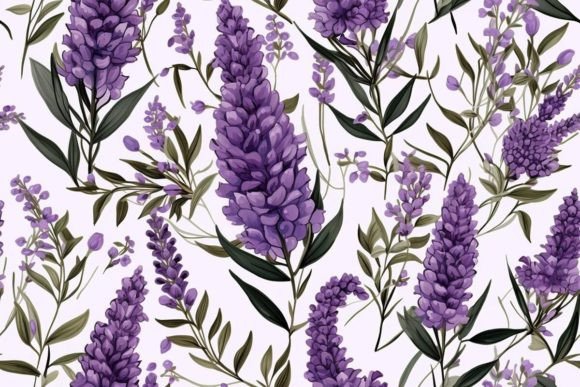
- Branding and Identity: Incorporating flower patterns into logos, packaging, or website designs can help establish a brand’s personality. For example, a wellness brand might use calming lavender or chamomile motifs to reinforce its message of relaxation and health.
- Marketing Materials: Brochures, social media posts, and advertisements benefit from visually appealing graphics. A floral pattern can draw attention, create emotional connections, and improve engagement rates.
- Interior Design and Web UI: In digital interfaces or physical spaces, flower patterns can add warmth and sophistication. They are particularly effective in environments that aim to promote comfort, creativity, or mindfulness.
- Educational Content: Visual learning tools often use imagery to simplify complex ideas. Flower patterns can be used to illustrate biological processes, seasonal changes, or cultural symbolism in an engaging way.
Planning Tips for Effective Use
To ensure that Flower Patterns Graphic Illustration aligns with your goals, consider the following planning steps:
- Define Your Purpose: Are you using flower patterns for branding, marketing, education, or something else? Clarifying the purpose will guide your choice of style, color, and placement.
- Understand Your Audience: Consider what resonates with your target demographic. Younger audiences may prefer modern, minimalist designs, while older audiences might appreciate traditional or intricate floral art.
- Choose the Right Style: Select a style that matches your brand identity or project tone. Realistic illustrations may suit luxury brands, while cartoonish designs could work well for children's products.
- Balance and Contrast: Ensure that the flower patterns do not overwhelm other elements on the page. Use them as accents or backgrounds rather than focal points unless that is the intention.
- Test and Iterate: Gather feedback from stakeholders or users to assess how well the design communicates your message. Make adjustments based on real-world performance.
When to Use Flower Patterns Graphic Illustration
Flower patterns are most effective when they serve a clear function within the design. They should be used in scenarios where:
- You want to evoke emotions such as calmness, joy, or inspiration.
- Your brand or product is associated with nature, sustainability, or organic living.
- You need to create a cohesive visual theme across multiple platforms or materials.
- You aim to differentiate your content from competitors by adding unique visual flair.
However, it is important to avoid using flower patterns indiscriminately. Overuse can lead to cluttered designs, dilution of brand messaging, or confusion among viewers. Always ensure that the inclusion of floral graphics supports the overall strategy rather than distracts from it.
Risks of Using Flower Patterns Without Clear Goals
While Flower Patterns Graphic Illustration offers many benefits, there are potential risks if not approached thoughtfully. Some common pitfalls include:
- Lack of Cohesion: Using too many different floral styles without a unifying theme can create a disjointed look.
- Misalignment with Brand Values: If a brand is perceived as high-tech or professional, incorporating overly ornate flower patterns may send conflicting messages.
- Overcomplication: Complex floral illustrations can obscure text or other critical information, especially in digital formats like websites or presentations.
- Cultural Misinterpretation: Certain flowers have specific meanings in different cultures. Choosing the wrong motif could unintentionally convey the wrong message.
To mitigate these risks, always conduct research on the cultural significance of the flowers you choose and ensure that your design choices reflect your brand's core values and objectives.
Intentional Use of Flower Patterns Graphic Illustration
Creating intentional design involves more than just selecting aesthetically pleasing visuals—it requires a deep understanding of context, audience, and purpose. When working with Flower Patterns Graphic Illustration, ask yourself the following questions:
- What emotion or message do I want to convey?
- How does this pattern complement my brand's identity and voice?
- Will this design be effective across different platforms and mediums?
- Is there a risk of misinterpretation or overuse?
By answering these questions, you can ensure that your use of flower patterns is both strategic and impactful. Remember that the goal is not just to create beautiful visuals but to enhance the effectiveness of your communication, whether it’s for marketing, education, or personal projects.
In conclusion, Flower Patterns Graphic Illustration is a powerful tool when used with intention and strategy. By aligning it with clear goals, understanding your audience, and avoiding common pitfalls, you can leverage this design element to achieve better results in your creative and business endeavors.